C&P B: Science
Completion requirements
Curriculum & Pedagogy B:
Science
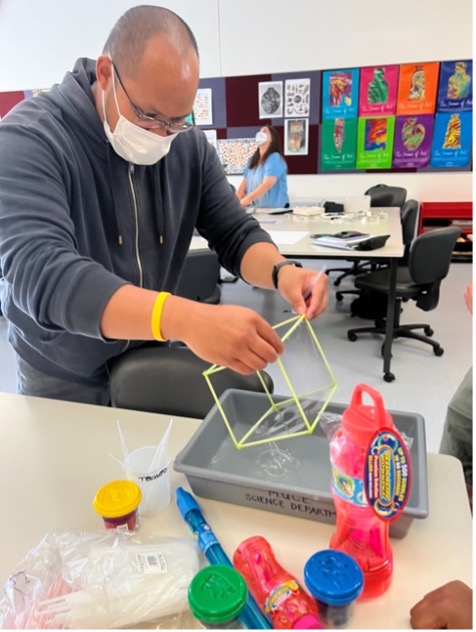
In our Science course we explore science education in New Zealand, including an in-depth exploration of the Curriculum, the significance of the Nature of Science Strand, the four contextual strands, Science Capabilities, and opportunities to participate in learning experiences that are easily transferable to the classroom. Throughout these modules we emphasise the importance of challenging stereotypes in science, bringing students cultural capital and everyday lives into the Science classroom, and placing Mātauranga Māori at the heart of learning experiences. Students will also learn to plan lessons individual lessons, lesson series and units that incorporate science specific pedagogies.
Science Modules Overview
Module 1: Science Education in New Zealand
- Stereotypes in Science education and how to challenge these in the classroom,
- Science in the New Zealand Curriculum,
- The Nature of Science and Scientific Capabilities,
- Mātauranga Māori and Science
- Big Ideas in Science
- Some hands on learning experiences that you might use in your future classrooms
Module 2: Teacher Pedagogy for Effective Learning in Science
- Examine effective pedagogy in science education,
- Introduce active learning and inquiry-based learning in science and (more specifically) The 5Es Model,
- Examine learning experiences developed by other educators that could be used at the Engage phase of the 5Es Model,
- Work with a planning partner to create your first science microteaching lesson plan.
Module 3: Learning Trajectories and Big Ideas in Science
- Explain what a Big Idea in Science is and how these are broken into smaller chunks as part of a trajectory of learning.
- Use a range of resources to identify trajectories of learning, and then develop Learning Intentions aligning with these that are appropriately challenging for Year 1-8 learners
- Participate in a range of Investigative learning experiences that fit within the Explore and Explain phases of the 5Es Model.
- Evaluate student assessment samples collected during your first MT lesson (Module 3 digital badge task) and use these to identify student strengths and next steps that will guide your second Science MT lesson.
- Plan your second Science Microteaching Lesson using the 5Es model as a guide.
Module 4: Investigations in Science (19 June - 23 June)
- Explain what a scientific investigation is and identify multiple types of investigations that you might carry out in the classroom,
- Consider Mātauranga Māori in Science Investigations,
- Design and carry out a Fair Test using paper helicopters,
- Carry out another investigation of your choice.
Module 5: Drama Based Pedagogical Approach to Teaching Science
- Describe drama based pedagogy and the advantages of using this approach to teaching Science,
- List some dramatic conventions that could be used as part of a range of different Science learning experiences,
- Participate in Science learning experiences that utilise: dramatic investigative learning, picture books with strong Scientific themes, dramatisation of historical moments in Science and exploration of ethical issues in the world around us.
- Collaboratively develop your own Science lesson sequence based on a picture book that draws on Drama based pedagogy.
Module 6: Contextualising Learning in Science. Education for Sustainability
- Build your understanding of sustainability and Education for Sustainability (EfS)
- Use the Enviroschools Action Learning Cycle to identify opportunities for Action Learning in your local kura or community
- Experience and build a kete of tools (e.g. mapping) and techniques (e.g. connection to place, values, etc.) to help deliver effective Education for Sustainability in your future classrooms
- Identify connections in Education for Sustainability and other curriculum areas
Module 7: STEAM in the Primary and Intermediate Classroom
- Take a deeper look at what STEM is,
- Explore issues of diversity within STEM education and related industries,
- Identify and analyse attributes of high quality STEM learning experiences,
- Practise modifying learning experiences to enhance the quality of learning and teaching within a STEM lesson/unit.
- Engage with a range of STEM learning experiences that you could use in your own future classrooms.